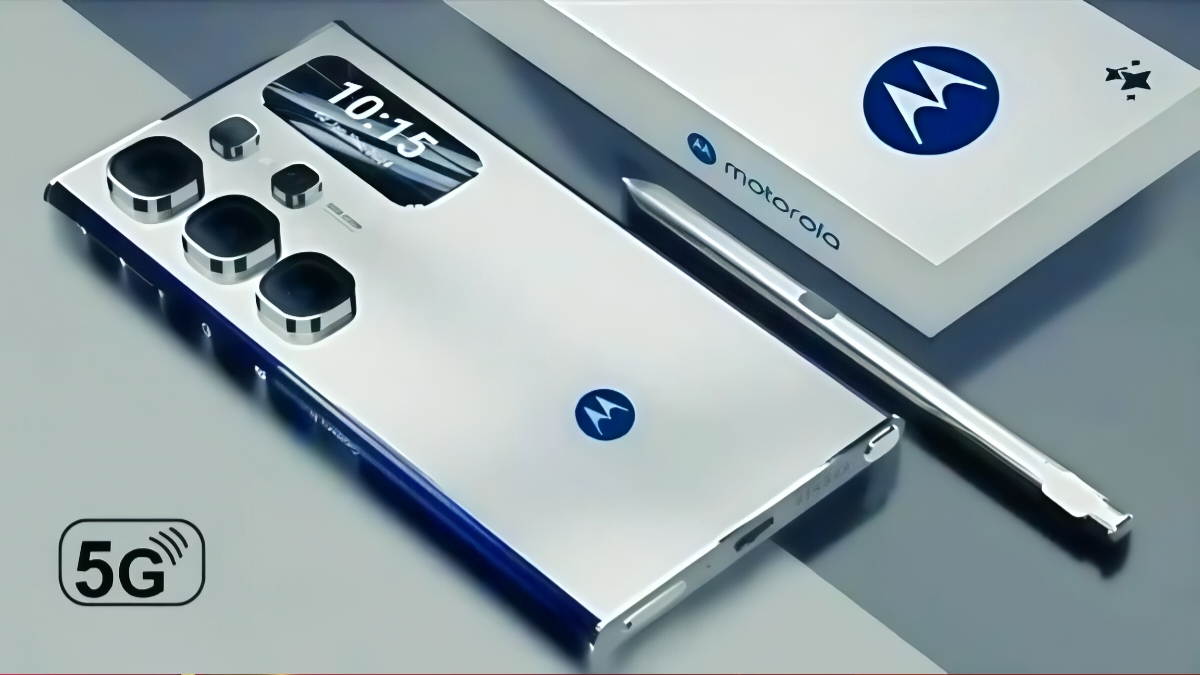
Motorola Moto 70 Ultra 5G: The mid-range smartphone segment in India has become increasingly competitive over the past few years, with brands attempting to deliver premium-like experiences at lower prices. Motorola, which has been gradually rebuilding its presence in the country, appears to be following this strategy with its latest device reportedly called the Moto 70 Ultra 5G. According to early reports and promotional material circulating online, the smartphone is positioned as a high-feature device aimed at users who want advanced camera hardware, a large display, and fast charging without entering the traditional flagship price range.
Motorola has historically focused on clean Android software and durable hardware design, which helped the brand build a loyal user base in India during the early smartphone era. In recent years, the company has returned to the spotlight with devices that balance performance and affordability. The Moto 70 Ultra 5G is being discussed as another step in that direction. While the specifications appear ambitious for the price category, buyers are advised to review official listings and retailer information before making a purchase decision, as configuration and pricing may vary depending on launch offers and regional availability.
Motorola’s renewed focus on value-driven premium smartphones
Motorola’s recent smartphone lineup shows a clear shift toward delivering higher specifications in competitive price brackets. Devices launched over the last two years have emphasized near-stock Android software, balanced hardware performance, and long-term usability. The Moto 70 Ultra 5G appears to continue this approach by combining features typically seen in higher-priced phones with a more accessible price tag. This strategy is particularly important in markets like India, where consumers often compare devices based on camera capability, display quality, and battery performance.
Industry analysts say brands that offer strong specifications at moderate prices tend to attract first-time smartphone upgraders and younger users interested in gaming or content creation. In practical terms, this means manufacturers must deliver visible improvements in areas such as camera sensors, display technology, and charging speed. The Moto 70 Ultra 5G is being presented as part of this shift. However, as with many early product announcements, final performance may depend on the chipset configuration, software optimization, and overall build quality once the device becomes widely available.

Large curved AMOLED display designed for immersive viewing
One of the most discussed features of the Moto 70 Ultra 5G is its large 6.8-inch curved AMOLED display. Curved panels have traditionally been associated with premium flagship smartphones, but manufacturers have gradually introduced them in lower price segments as display technology becomes more affordable. According to available specifications, the screen aims to deliver vibrant color reproduction, deeper blacks, and improved contrast levels that can enhance video streaming and gaming experiences.
The curved design also contributes to the overall look and feel of the device. Slim bezels and curved edges can create a more immersive display appearance while maintaining comfortable grip ergonomics. For everyday use, this type of screen may improve media consumption, including watching online videos or browsing social platforms. That said, users who prefer flat displays sometimes raise concerns about accidental touches or screen protection compatibility. Buyers may want to evaluate these aspects in person or through verified reviews before deciding whether the design suits their usage style.
Camera hardware highlights and imaging capabilities
Camera technology continues to be a key factor influencing smartphone purchases, particularly among younger users and content creators. The Moto 70 Ultra 5G is reportedly equipped with a 200-megapixel primary camera supported by AI-based image processing. High-resolution sensors are designed to capture detailed photos, especially in good lighting conditions, while computational photography techniques help improve color balance and dynamic range.
In practical terms, such high-resolution sensors often combine multiple pixels into larger virtual pixels to improve low-light performance. This method allows the camera to capture brighter images during night photography while maintaining detail in daylight shots. The device is also said to support stabilized video recording and portrait photography modes. As per industry experts, the effectiveness of these features ultimately depends on software tuning and image processing algorithms rather than sensor size alone.
Battery capacity and fast-charging technology explained
Battery life remains one of the most important considerations for smartphone buyers in India, especially for users who rely on their devices for work, entertainment, and social communication throughout the day. The Moto 70 Ultra 5G reportedly includes a large battery designed to support extended usage such as gaming, video streaming, and mobile photography sessions. Devices in this category typically aim to deliver full-day endurance under mixed usage conditions.
The phone is also described as supporting 120W fast charging technology. Fast charging systems allow batteries to recover significant power in a short time, reducing the need to keep the device plugged in for extended periods. According to reports, such systems can charge batteries rapidly under compatible conditions, although charging speed may vary depending on temperature, adapter compatibility, and battery health. Users should follow manufacturer guidelines to maintain battery longevity over time.
Performance, storage configuration and software environment
Performance is another area where the Moto 70 Ultra 5G is expected to compete strongly in its segment. The device is described as using a high-performance processor capable of handling multitasking, modern gaming titles, and demanding applications. Efficient chipsets paired with adequate RAM can help maintain smooth performance across everyday tasks such as switching between apps, streaming media, or editing photos.
Motorola’s approach to software has also been a key part of its brand identity. The company typically provides a near-stock Android interface, which many users prefer because it reduces unnecessary background apps and visual clutter. This can lead to faster navigation and improved system stability. In addition to software simplicity, the device reportedly includes modern connectivity features such as 5G support, Wi-Fi compatibility, Bluetooth connectivity, and biometric security options including fingerprint unlocking.
Price positioning and market comparison in India
The reported price of around ₹10,999 has attracted considerable attention because it places the device in the budget smartphone category despite offering specifications commonly associated with higher-priced models. If this pricing is confirmed during official retail availability, the phone may compete with devices from brands such as Realme, Redmi, and iQOO that focus heavily on delivering value-oriented hardware.
However, smartphone pricing can change depending on promotional offers, exchange discounts, and online platform sales. According to reports, buyers may also have access to EMI options depending on bank partnerships or retailer financing plans. For example, a buyer upgrading from an older device through an exchange program could see a reduced effective cost. Still, consumers are advised to check official listings and warranty conditions before finalizing a purchase.
Disclaimer: This article is based on publicly discussed specifications, promotional details, and early reports related to the Moto 70 Ultra 5G smartphone. Final specifications, pricing, and availability may vary depending on official announcements, regional releases, and retailer listings. Readers should verify product details through authorized sources or official company channels before making purchasing decisions. Performance, battery life, and camera results may also vary based on usage patterns, software updates, and environmental conditions.